With the rise of artificial intelligence, the way we create and consume content is undergoing a complete transformation. But this evolution raises an important question: how to tell if a text was written by an AI, and more specifically by ChatGPT?
On our Yiaho platform, we have developed a powerful solution for this, but let’s start with some simple tips to detect an AI-generated text.
Yiaho’s ChatGPT Detector
At Yiaho, we have developed a unique tool that identifies whether a text has been generated by artificial intelligence, particularly ChatGPT. This detector is not limited to a simple verdict; it also provides a precise percentage of AI contribution in the text.
In addition, our tool analyzes vocabulary and structure, offering explanations on words and expressions frequently used by ChatGPT.
It’s a real asset for anyone who wants to ensure the authenticity of a text. All internet users have free access to our online tool to detect the presence of ChatGPT in a text. Feel free to try it!

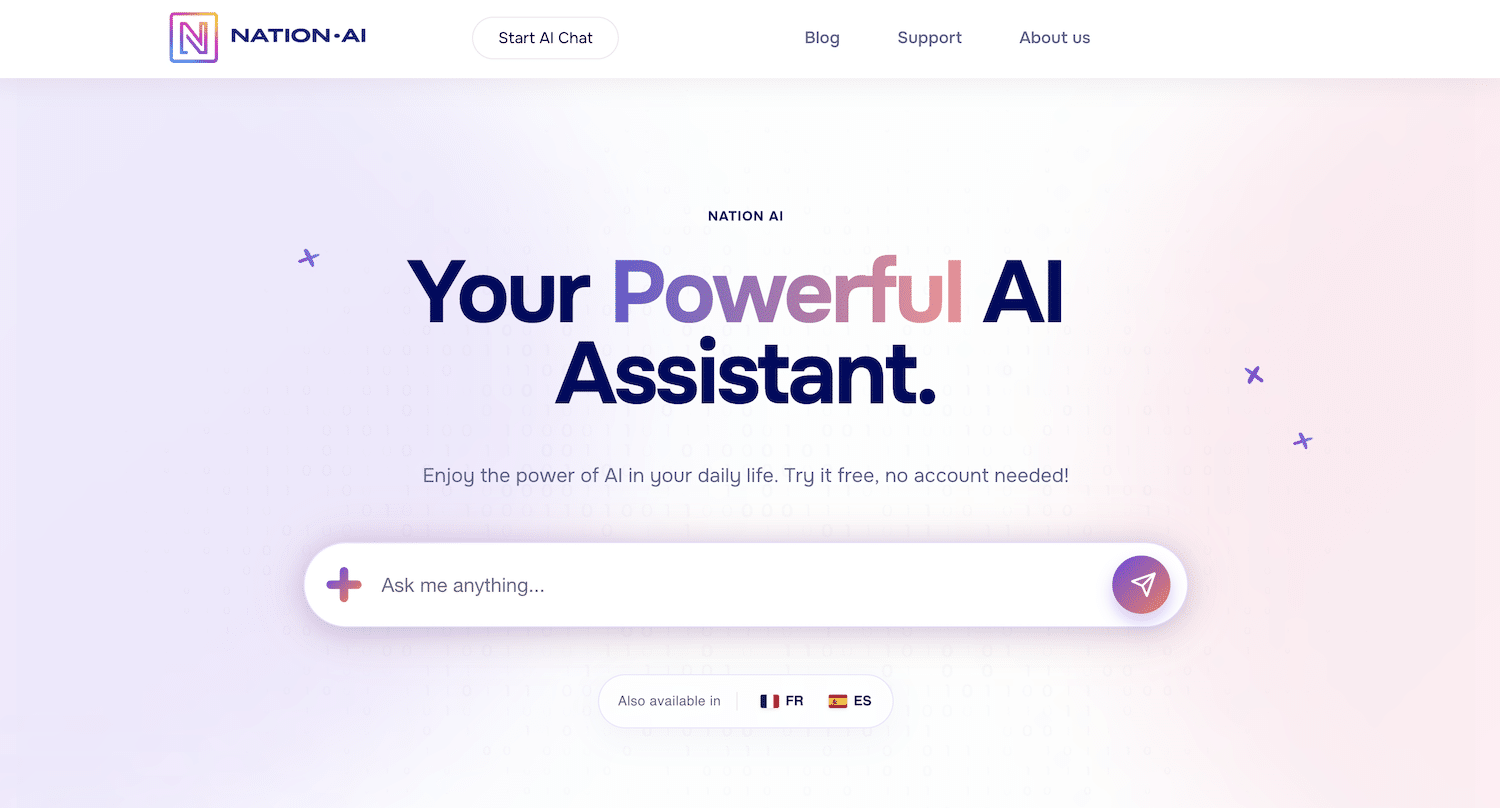
(image source: Yiaho.com screenshot)
Some tips for detecting ChatGPT-generated text
While our detector is the most reliable method, there are ways to identify AI text just by reading it. Here are some things to look out for:
- Frequent transition phrases: Texts generated by ChatGPT often use phrases like “in addition,” “furthermore,” or “moreover” to introduce new ideas. If you notice a repetition of this style, it’s a sign to consider.
- Overly neat structure: AI outputs tend to have a very organized structure, with clear introductions and main points often numbered or listed. If the text seems too perfect in its formatting, it may indicate an AI origin.
- Long and complex sentences: ChatGPT has the ability to produce elaborate sentences that combine several ideas. A text that is too verbose or complicated may signal that it comes from an AI rather than a human.
- Repetitions and limited variations: If the text uses similar formulations or synonyms excessively, this can also be a clue. Terms like “however,” “nevertheless,” or “nonetheless” used too regularly can betray AI writing.
- Neutral tone devoid of emotion: AI-generated texts often have an objective tone, lacking subjectivity and emotion. If a text seems too factual and without warmth, it could indicate artificial intelligence writing.
- Clichés and stock phrases: AIs frequently rely on common expressions. If you find that the text is full of stock phrases, it’s another potential sign of artificial origin.
Also read: Here are 10 jobs that will never be replaced by artificial intelligence
Who is likely to use AI to write text?
AI, and ChatGPT in particular, is freely accessible to everyone, even more so on Yiaho! So, concretely, anyone can use AI to write text… But certain socio-professional categories and age groups are more inclined to use it to write various texts. Here are some examples of situations where it’s important to be vigilant about texts likely generated by ChatGPT:
- Students: When students use ChatGPT for their homework or projects, it’s essential to verify the authenticity of these texts to avoid plagiarism and ensure their understanding of the subjects.
- Job applicants: Candidates who use ChatGPT to write cover letters or resumes may produce inauthentic documents. It’s important to ensure that these writings truly reflect their personality and experiences.
- Bloggers and content creators: Bloggers and creators who rely too heavily on ChatGPT to generate ideas or content risk losing an authentic connection with their audience.
- Researchers and academics: When writing scientific articles or reports, researchers must be careful about using AI-generated texts, as this could compromise the quality and integrity of their work.
- Marketing professionals: In the marketing sector, professionals who use ChatGPT indiscriminately may produce content that does not match their brand’s voice, which can harm their image.
- Writers and journalists: Writers or journalists relying on AI-generated texts must be vigilant to avoid misinformation or biases that may result from such use.
- Social media users: People sharing content on social media must be aware that some texts may come from AI, which can influence the veracity and quality of the information disseminated.
To summarize, even if these tips can help you spot a ChatGPT-generated text, our AI detector on Yiaho remains the most accurate method!
Thanks to this technology, you will be able to get an in-depth analysis and an exact percentage of AI presence in your texts, thus arming you to navigate the world of AI-assisted writing!